Checking out the Benefits of Virtual Therapy in Modern Mental Healthcare
The surge of virtual therapy marks a significant shift in mental wellness care. It offers boosted accessibility, enabling people from diverse backgrounds to seek assistance without geographical restrictions. Flexibility in scheduling suits differing way of lives, while the comfort of home can cultivate visibility. The effects of these changes extend past mere ease. The evolving landscape of therapy raises essential inquiries regarding its lasting effects on person interaction and therapy end results.
Enhanced Ease of access for All
Although typical therapy typically provides obstacles such as geographical place and organizing problems, virtual therapy substantially enhances accessibility for people looking for psychological health and wellness support. By removing the need for physical traveling, virtual therapy permits clients from remote locations or those with movement obstacles to connect with certified professionals. This setting of therapy can get to underserved populations who might lack regional psychological health and wellness resources, thus resolving differences in accessibility to care. Additionally, virtual systems can accommodate diverse demands, providing solutions in numerous languages and accommodating different social backgrounds. Clients can involve with a broader series of professionals, giving them with choices that align with their certain requirements and choices. This raised ease of access promotes a more comprehensive environment, allowing people to look for help without the stigma frequently connected with in-person brows through. Generally, virtual therapy stands for a substantial innovation in making psychological health care a lot more accessible to all.
Adaptability in Scheduling Sessions

As virtual therapy proceeds to get grip, its inherent versatility in organizing sessions proves to be a significant benefit for lots of individuals. Unlike traditional in-person therapy, virtual therapy permits clients to choose session times that ideal fit their individual and expert dedications. This adaptability suits those with demanding job timetables, household commitments, or various other commitments that can make attending physical visits testing.
Customers can conveniently reschedule or change their sessions as needed, decreasing the stress linked with inflexible consultation systems. The availability of different time ports throughout the week, consisting of evenings and weekend breaks, better improves access. This flexibility not only urges consistency in attendance yet likewise promotes a better dedication to the healing process. Ultimately, the versatility in organizing sessions represents a transformative change in mental wellness treatment, encouraging individuals to prioritize their well-being without compromising other elements of their lives.
Comfort of a Familiar Environment
The comfort of a familiar environment considerably enhances the performance of virtual therapy for several clients. Involving in therapy from the security of their own homes permits people to feel more at ease, reducing anxiety that may come with standard in-person sessions. This experience can help with open interaction, enabling clients to reveal their thoughts and feelings a lot more easily.
Additionally, the visibility of individual products and the capability to control their surroundings can add to a feeling of safety and security and leisure. Clients frequently report that being in a comfy space enables them to concentrate much more on the healing procedure rather than the establishing itself.
In addition, the casual nature of virtual sessions can assist liquify barriers that may exist in a standard workplace atmosphere, cultivating a much deeper link with specialists. Overall, the convenience of acquainted environments plays an important duty in enhancing the restorative experience and effectiveness for several individuals seeking mental health support.
Wider Variety Of Restorative Choices
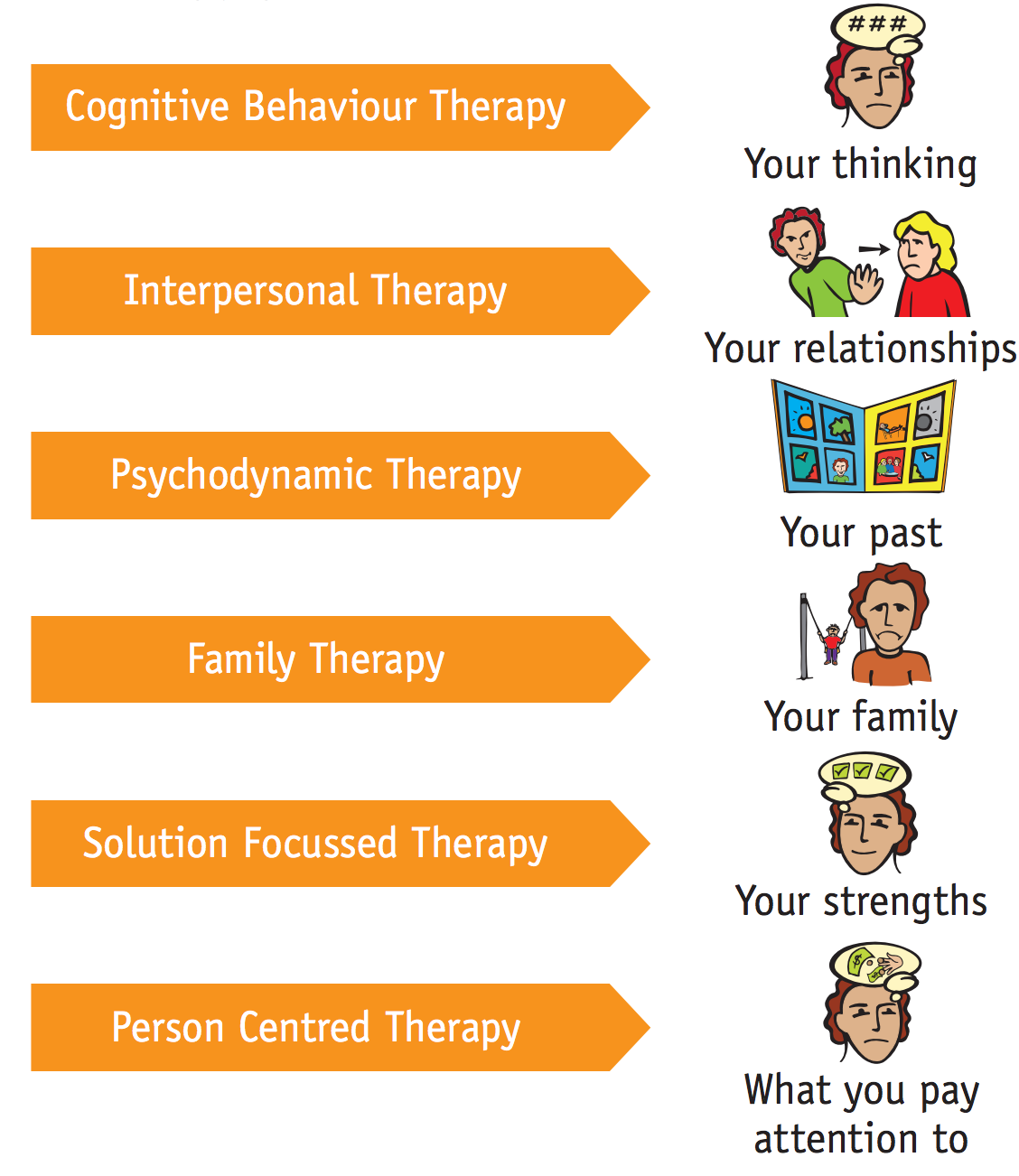
A wider series of restorative options becomes readily available through virtual therapy, allowing customers to accessibility different modalities that might not be practical in standard setups. This flexibility allows people to explore diverse methods such as cognitive-behavioral therapy, mindfulness techniques, art therapy, and even specialized treatments like trauma-informed treatment or dialectical actions therapy.
Clients can choose from a more comprehensive spectrum of therapists, including those that specialize in specific niche locations or particular populations, boosting the chance of locating an ideal suit. Virtual platforms usually offer access to group therapy sessions, assistance areas, and workshops that might be geographically unavailable otherwise.
This variety encourages clients to engage in their healing procedure according to their special preferences and needs, potentially enhancing motivation and commitment to therapy. Consequently, the landscape of psychological health and wellness treatment becomes a lot more inclusive and adaptable, dealing with a bigger selection of individual experiences and obstacles.
Lowered Preconception Bordering Therapy
Accessing therapy via virtual systems adds to a substantial reduction in the stigma generally connected with mental healthcare. By providing a very discreet and private setting, virtual therapy permits individuals to look for assistance without the fear of being evaluated or identified. This anonymity attract those who might otherwise wait to seek in-person therapy due to social assumptions surrounding mental health and wellness.
Moreover, as the prevalence of virtual therapy rises, it normalizes the discussion around psychological wellness, making it a more acceptable part of day-to-day life. People frequently feel much more comfy reviewing their experiences on more info the internet, promoting visibility and minimizing sensations of seclusion. The ease of access of these services also encourages a wider market to involve with psychological health and wellness sources, fostering a society of support instead than embarassment. Ultimately, the increase of virtual therapy plays a crucial role in improving perspectives in the direction of seeking aid, adding to a more approving society pertaining to psychological health difficulties.
Cost-Effectiveness and Affordability
Minimized Session Costs
Many individuals looking for mental health assistance discover that virtual therapy greatly reduces session costs compared to standard in-person choices. The removal of traveling expenditures and pause work usually adds to total savings. Additionally, many virtual therapists offer affordable rates due to reduced overhanging prices connected with maintaining a physical workplace. This shift in expenditure enables clients to access quality psychological health solutions without the economic strain that may come with conventional therapy. For numerous, this cost enables extra frequent sessions, which can boost therapy results. Consequently, virtual therapy not only equalizes accessibility to psychological health care yet also gives a sustainable financial version that aligns with clients' spending plans, making psychological health and wellness support extra achievable for a larger audience.
Expanded Access Options
While traditional therapy frequently presents logistical barriers, virtual therapy substantially increases access choices for people looking for psychological healthcare. By removing the demand for travel and enabling flexible organizing, virtual therapy suits varied lifestyles and dedications. This ease of access is particularly useful for those in remote areas or with wheelchair challenges. In addition, the cost-effectiveness of virtual therapy decreases financial stress, making psychological wellness services much more obtainable. Numerous platforms provide tiered rates or gliding scale fees, advertising price. Insurer significantly identify virtual therapy, more enhancing its financial ease of access. Generally, virtual therapy not only widens the scope of who can get treatment however likewise addresses financial obstacles, making mental health support a lot more comprehensive and achievable for all.
Improved Connection of Care
Improved connection of care emerges as a significant benefit of virtual therapy in modern psychological health and wellness care. This approach permits patients to keep constant communication with their therapists, no matter geographical obstacles or scheduling problems. low cost therapy. The adaptability of virtual sessions promotes routine check-ins, which are crucial for keeping track of development and adjusting therapy intends as necessary
Furthermore, digital wellness records and telehealth platforms help with seamless information sharing among treatment suppliers. This interconnectedness ensures that all specialists involved in a client's care are updated on treatment developments, leading to more coordinated and efficient interventions.
Patients frequently experience lowered anxiousness and raised interaction due to the benefit of accessing therapy from acquainted settings. Such access improves adherence to therapy programs, ultimately boosting results - low cost therapy. To sum up, virtual therapy not only bridges voids in psychological health and wellness services yet also fortifies the connection of care, an essential component of effective restorative partnerships
Frequently Asked Concerns
How Does Virtual Therapy Ensure Privacy and Privacy for Customers?
The existing concern addresses the steps virtual therapy uses to secure customer privacy. Using encrypted systems, secure logins, and conformity with policies like HIPAA, virtual therapy warranties that delicate details stays private and hard to reach to unauthorized individuals.
Can I Switch Therapists Quickly in Virtual Therapy?
Changing specialists in virtual therapy is generally simple. Customers can connect their need for an adjustment with the system, enabling for versatility in finding a better suit without the logistical challenges of in-person appointments.
What Modern technology Do I Required for Virtual Therapy Procedure?
To join virtual therapy sessions, an individual usually needs a reliable web link, a computer or smartphone with a cam and microphone, and access to a protected video clip conferencing system defined by their specialist.

Are Virtual Therapy Procedure as Effective as In-Person Sessions?
Current studies indicate that virtual therapy sessions can be just as effective as in-person sessions, depending on the person's choices and scenarios. Aspects such as comfort and availability might enhance the overall restorative experience for some clients.
What Should I Do if I Experience Technical Issues Throughout a Session?
If technological problems arise during a session, one need to calmly connect the trouble to the therapist, attempt to reconnect, or button to a backup approach. Persistence and adaptability are essential in managing these disturbances.